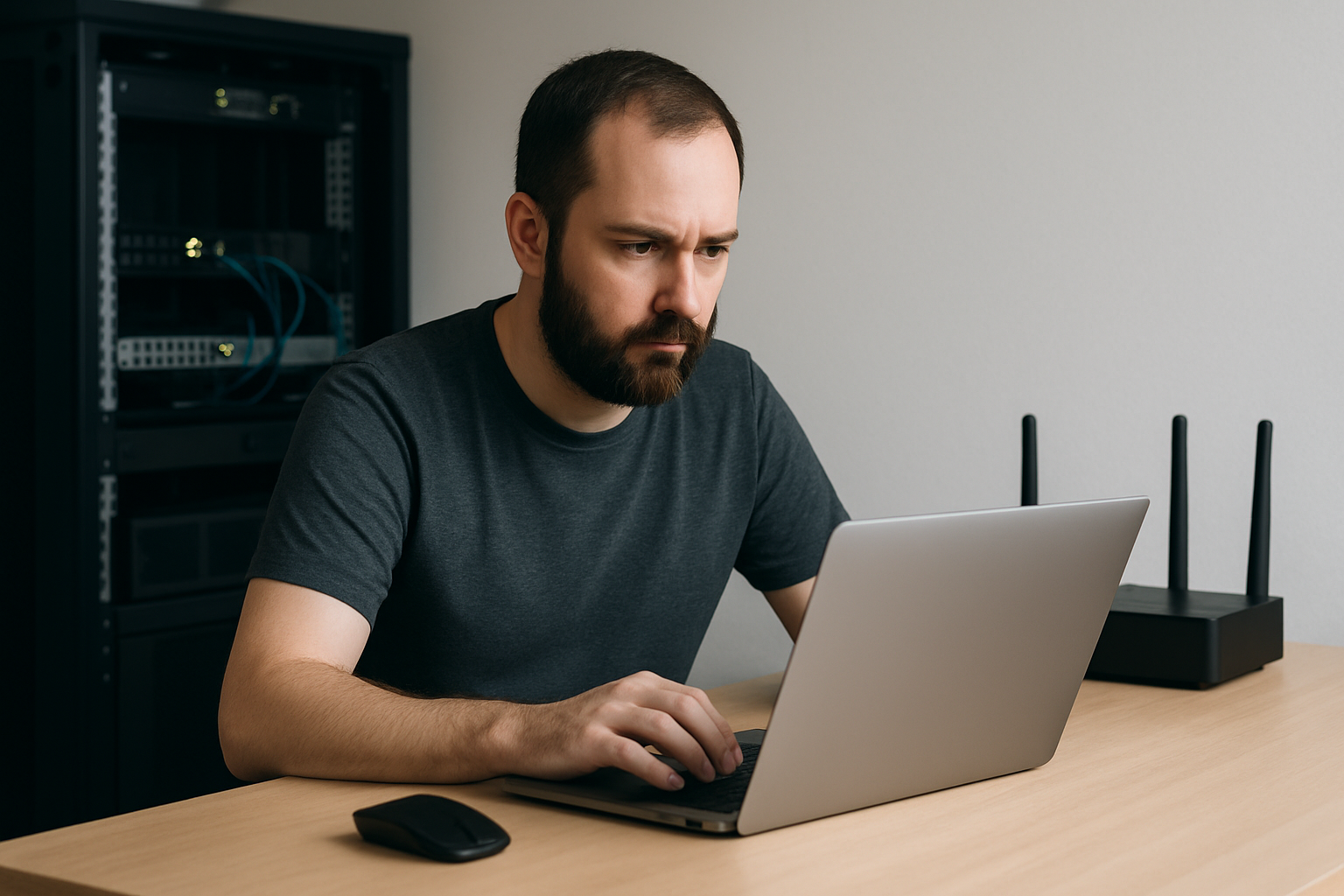
Tailscale free tier was used, according to an Android Police report, to replace a $120 annual VPN subscription for home‑lab access. The claim is based on a Google News listing that summarizes the writer's change and the reported savings.
What happened
- An Android Police article, indexed on Google News, says a writer moved from a paid VPN subscription costing about $120 per year to Tailscale's free tier.
- The reported objective was continued remote access to a home lab while lowering ongoing subscription costs.
What the report says and what is confirmed
- Confirmed: the report exists in Android Police as shown by the Google News entry and summarizes a user switch from a paid VPN to Tailscale's free tier for home‑lab access and cost savings.
- Not confirmed by the cluster: technical details of configuration, which paid VPN plan was replaced, feature parity, or how the free tier was used in practice beyond enabling access.
- The available item is a short news summary; it does not provide primary‑source logs, screenshots, or step‑by‑step instructions.
Why this matters to home‑lab users and small setups
- Cost: a $120 annual subscription is material to many hobbyists and small setups. The reported move highlights cost as a factor when choosing remote‑access solutions.
- Use case: “home lab access” is the explicit use case mentioned in the summary; readers running personal servers, media systems, or test environments may find alternatives relevant.
- Options: the report frames Tailscale's free tier as an option that, for at least one user, met minimum needs while lowering cost.
Limits to drawing broad conclusions
- Single report: the cluster includes a single summary report; it does not establish how widely the approach works or how often users can substitute a paid VPN with a free tier without trade‑offs.
- Feature and security trade‑offs: the summary does not detail whether any paid features were lost, whether access performance changed, or whether long‑term reliability was affected.
Verification and evidence quality
- Source trace: the information comes from an Android Police article surfaced through a Google News RSS item. The listing and summary are the only material provided in this cluster.
- Evidence strength: medium. The headline and short summary are explicit about the switch and the dollar amount, but the underlying article content and any corroboration are not included in the RSS data provided here.
- What remains unverified: configuration steps, whether the change affected security posture, and whether the reported savings reflect total cost of ownership (for example, any indirect costs or lost features).
Practical considerations (based on the report and typical concerns)
- Evaluate needs: users should map which features of a paid VPN they rely on before switching; the report indicates a financial motive but does not detail functional tradeoffs.
- Test before committing: the reported approach suggests at least one user tested Tailscale's free tier and judged it sufficient for home‑lab access.
- Backup access: when changing remote‑access setups, keep an alternate way to reach critical machines until the new method is fully validated.
Possible developments (scenario planning)
The report is single‑source and short. Below are plausible ways this story and its practical effects could develop.
Baseline scenario (most likely)
- Readers take the report as an anecdote: some home‑lab users will try Tailscale's free tier to see if it meets their needs. A subset will find it adequate for simple remote access and low cost, while others will revert to paid services when they encounter missing features or scalability limits.
- Discussion and community testing will appear on forums and social media as hobbyists share guidance and caveats based on diverse setups.
Optimistic scenario (broader adoption without major trade‑offs)
- A meaningful number of hobbyists and small teams adopt Tailscale's free tier for remote access to lab environments without losing critical functionality.
- Community guides and templates emerge that lower friction for safe, maintainable setups; more users report successful migrations and consistent cost savings.
- Some paid VPN providers respond with lower‑cost tiers or clearer value propositions for users who need advanced features, creating more choices.
Negative scenario (limitations or risks surface)
- Users attempting similar moves encounter limitations not described in the single report: missing management features, device caps, or security and compliance gaps for certain setups.
- Reports of service limits, interruptions, or misconfigurations lead some users to revert to paid VPNs; discussion emphasizes caution and the need for backup access.
- Misunderstandings about the free tier's intended use result in support issues or frustrated users.
Key takeaways and next steps for readers
- The Android Police summary indicates a cost‑driven switch to Tailscale's free tier for home‑lab access and cites a $120 annual subscription as the replaced cost.
- Because the RSS cluster contains only that summary, readers seeking to replicate the switch should consult the full Android Police article and primary documentation from Tailscale before changing production or critical remote‑access systems.
- Treat this report as an instructive anecdote rather than comprehensive guidance: verify features, test in a controlled way, and preserve fallback access.
Sources and verification note
- This article is based solely on an Android Police item surfaced via Google News RSS. The cluster provided a headline and short summary; the full Android Police piece and any primary documentation were not included in the provided feed.
- Where the feed was thin, this write‑up flags uncertainty and avoids adding unverified technical specifics.
Sources
- Google News VPN – vpn: I replaced a $120 annual VPN subscription with Tailscale's free tier, saving money on home lab access – Android Police
Leave a Reply